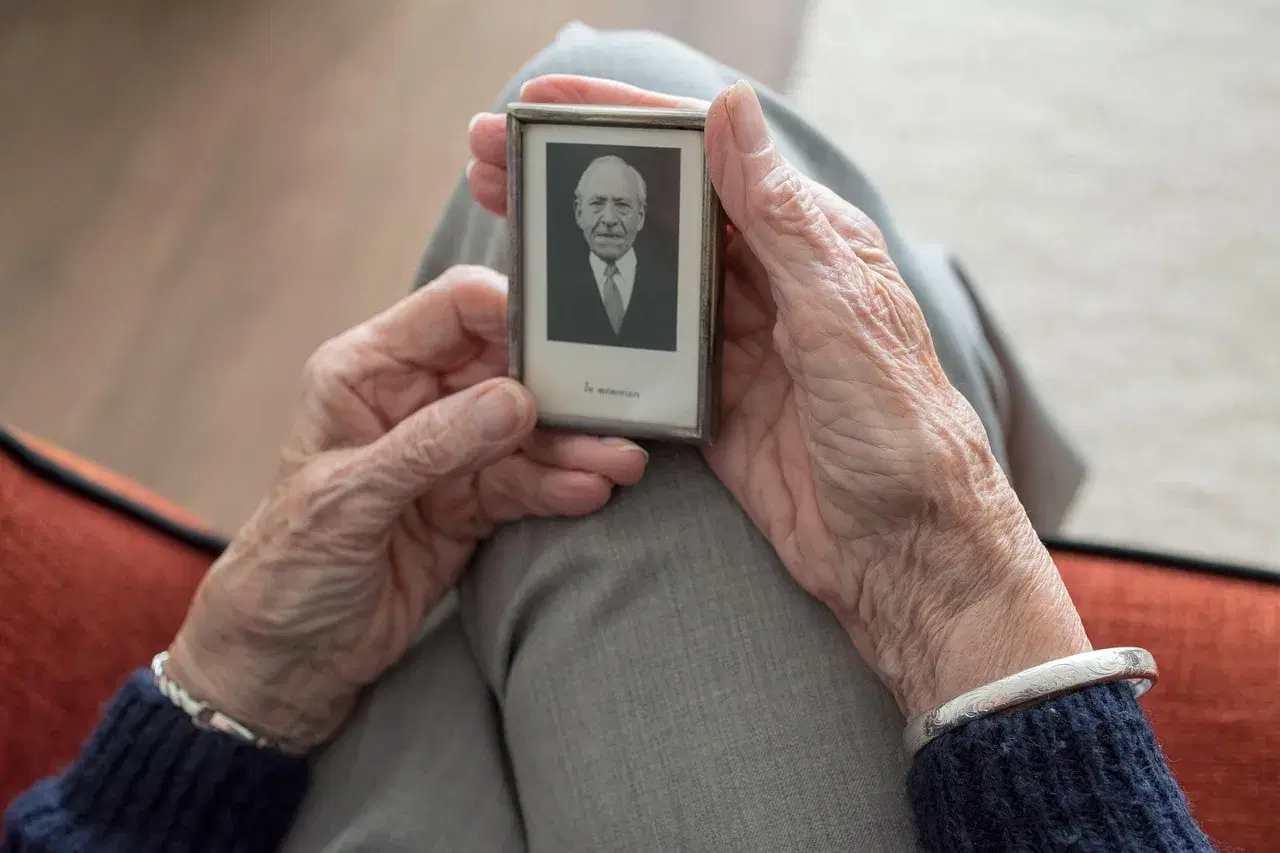
Quick answer: To find a memory care opening quickly, call several communities at once and join more than one waitlist, widen your search to nearby towns, and have your loved one's medical paperwork ready so you can say yes when a spot opens. If the wait is long, short-term respite care can cover the gap safely.
Understanding Memory Care Occupancy
In many areas, memory care communities are full and waitlists are common. Demand for dementia care is growing faster than the number of specialized beds, and memory care units are often small, so a single opening can draw several families. The steps below can help you get an offer sooner without settling for a place that doesn't fit your loved one's needs.
Using Respite Care as a Bridge
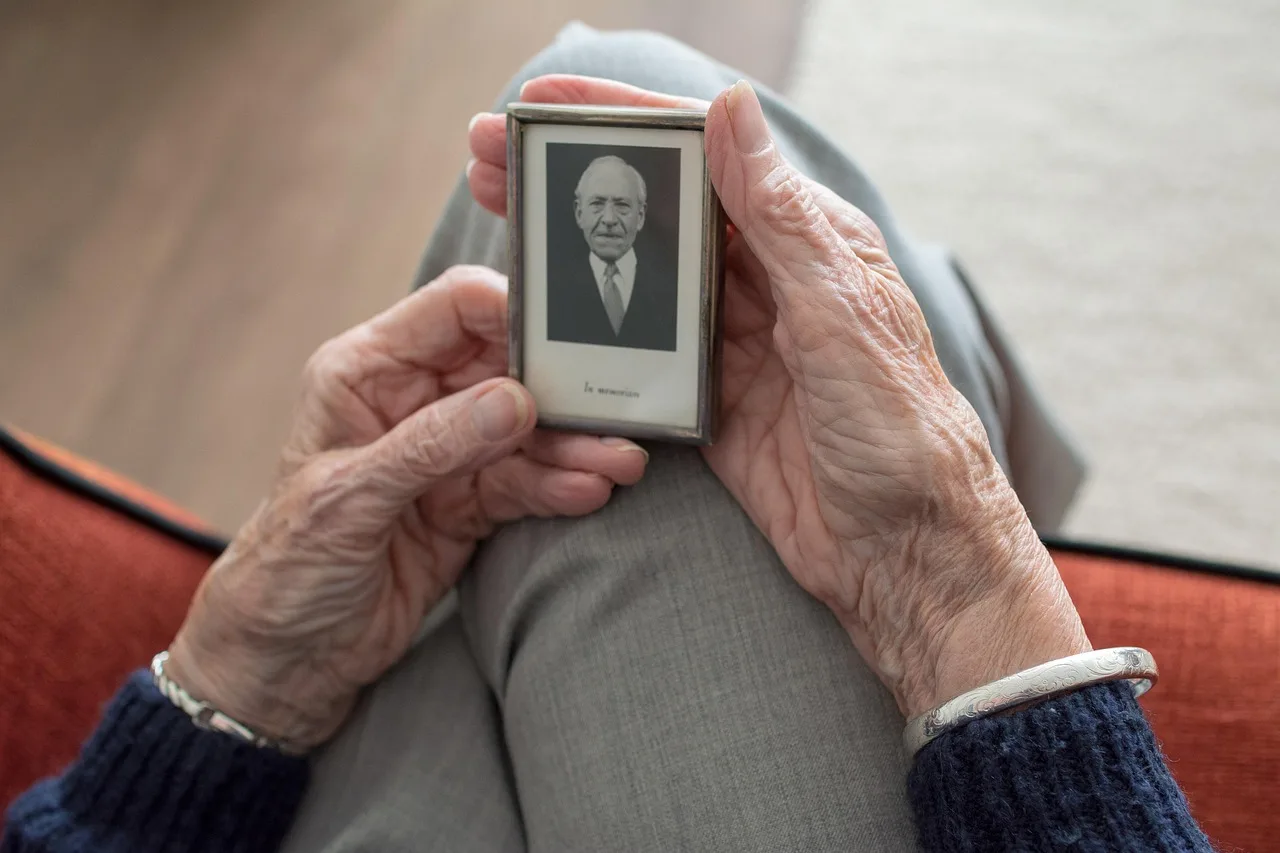
Respite care can be a practical stopgap while you search for a permanent memory care spot. It provides a safe environment for your loved one with dementia, allowing them to receive care while you take a much-needed break. Respite care options include in-home care, adult day centers, and long-term care communities offering overnight stays. Using respite care can help you manage caregiving responsibilities more effectively and reduce stress. It also gives you time to focus on finding the right permanent care setting for your loved one. If a memory care community you like offers short respite stays, ask about booking one: it lets staff get to know your loved one, and it lets you see the community up close before a permanent spot opens.

Expanding Your Search Radius
If local memory care facilities have waitlists, consider expanding your search radius. Look beyond your immediate area to nearby towns or cities. Use online tools like Ubora Health's directory to find facilities within a broader geographic area. Check for facilities that may have openings or shorter wait times. Remember, the farther you're willing to travel, the more options you may find. Also, consider facilities that offer respite care as a temporary solution while you continue your search for a permanent placement.

Use Ubora Health's directory to search for memory care facilities in a wider area.
Consider facilities in nearby towns or cities that may have more availability.
Look for facilities offering respite care as a temporary option.
Visit or call facilities to inquire about wait times and availability.
Preparing Necessary Documentation
When applying for memory care, it's important to have all necessary documentation ready to streamline the process. Documents usually include a recent tuberculosis (TB) test result, a physician's form detailing your loved one's medical history and current health status, and any relevant cognitive or functional assessments. These assessments help memory care facilities understand your loved one's specific needs and decide whether they can meet them. Additionally, some facilities may require proof of identity and residency, as well as financial documentation to determine eligibility for any available assistance programs. Having these documents prepared in advance can help speed up the application and make the move into memory care smoother. Keep copies in one folder, and note when the TB test and physician form were completed, since many communities only accept recent ones.
Using Ubora Health to Widen Your Search
Ubora Health lets you search care providers near you and compare public ratings in one place. Start with your location and memory care, then widen the area to nearby towns if the closest communities are full. Make a short list, call each community to ask about current openings and wait times, and schedule visits for the ones that fit. Keep your documents ready so you can move quickly when a spot becomes available, and line up respite care in the meantime if you need it.
Questions to Ask When You Join a Waitlist
How many people are ahead of us, and how long has the wait been recently?
Is there a waitlist deposit or fee, and is it refundable?
How will you contact us when a spot opens, and how long do we have to accept?
Do current respite or assisted living residents get priority for memory care openings?
Can we stay on the list if we accept a spot elsewhere in the meantime?
Check in with each community every week or two. A friendly call keeps your family in mind when an opening comes up.
Common Questions
How much does memory care cost? Memory care costs vary widely by location and the level of care needed. CareScout's 2025 Cost of Care Survey puts the national median for assisted living at $6,200 a month, and memory care usually costs more because of added staffing and secured living areas. Ask each community for its memory care rate and exactly what it includes.
How long are the wait times for memory care? Wait times for memory care can vary significantly. Some facilities may have immediate openings, while others may have waitlists that extend several months or more. It's important to contact multiple facilities to get a sense of current wait times.
What if there are no memory care spots available? If no memory care spots are available, consider using respite care as a temporary solution. Respite care can provide short-term relief for caregivers while they search for a long-term memory care placement. Additionally, expanding your search radius on platforms like Ubora Health can help find available spots in nearby areas.
Bottom line: Start by gathering necessary documentation such as a recent medical assessment, TB test results, and a physician form. Use Ubora Health to widen your search radius and find memory care facilities with available spots. If wait times are long, consider using respite care as a bridge solution while you continue your search.
Related reading: Nursing Home Bed Shortage and How to Find a Bed Quickly and Sedating Drugs in Memory Care: Questions and Your Rights.
Ready to look at real options? Ubora Health lets you search care providers near you and compare public ratings in one place. Find care with Ubora Health.