

Understanding Middle-Stage Dementia: Changes and Adaptations
During the middle stages of dementia, individuals often experience increased confusion, memory loss, and difficulty with communication. They may also exhibit changes in mood and behavior, such as anxiety, agitation, or depression. To manage these changes effectively, establishing consistent morning and evening routines can provide structure and stability. A typical morning routine might include waking up at a consistent time, personal hygiene activities, a light breakfast, and engaging in a calming activity like listening to music or reading. An evening routine could involve a relaxing activity such as gentle stretching or a warm bath, a light dinner, and a consistent bedtime to promote restful sleep. Creating a Daily Plan can help manage these changes and provide a sense of normalcy for both the individual with dementia and their caregiver.
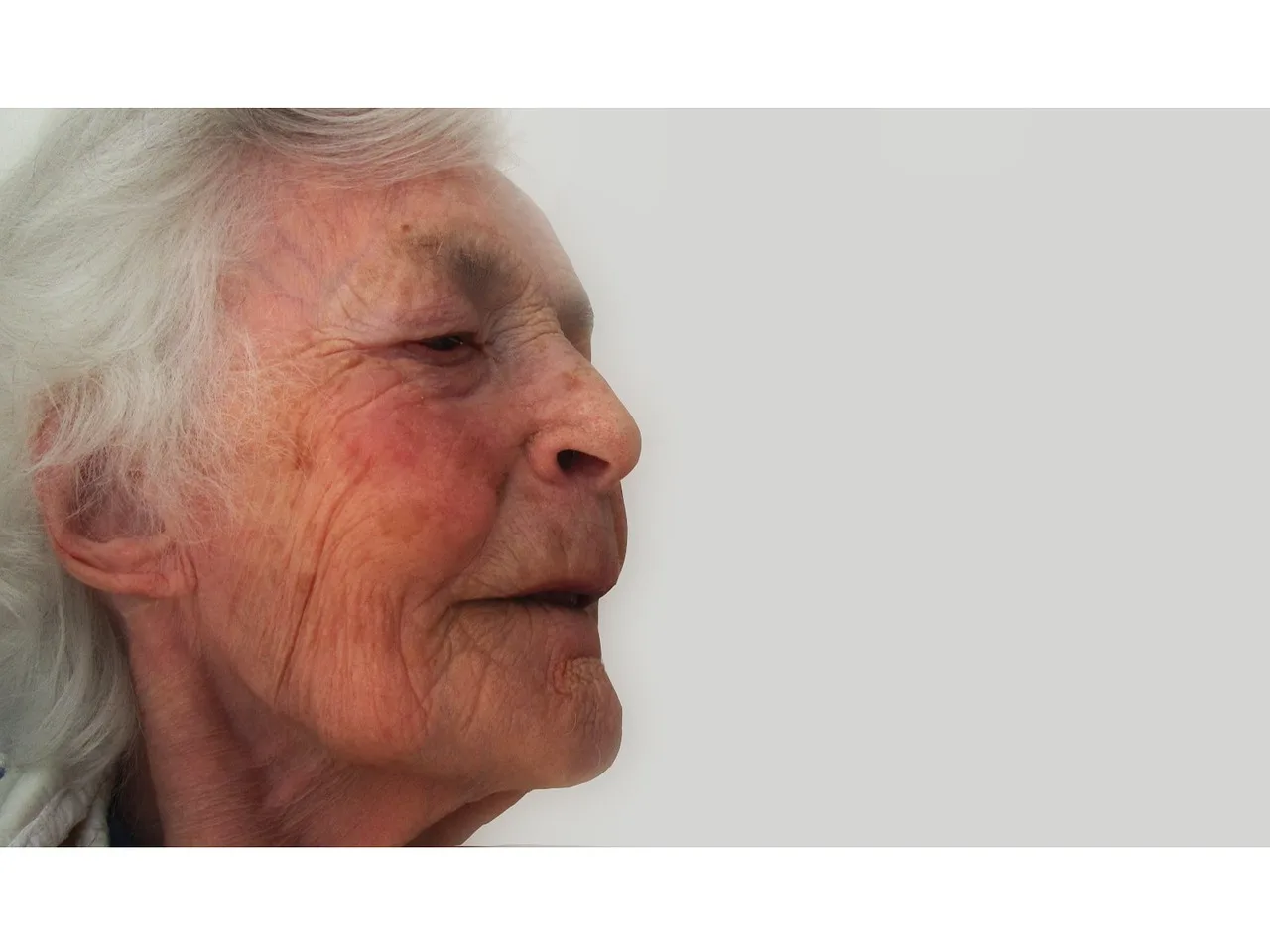
Communication Strategies: Reducing Friction in Interactions
Effective communication is crucial in reducing friction between caregiver and patient, especially in the middle stages of dementia. Here are some strategies to enhance interaction quality:
Use simple, clear language and avoid complex sentences. Communication Tips
Maintain eye contact and use a calm, reassuring tone to convey empathy and understanding. Communication and Alzheimer's
Be patient and allow extra time for responses, as processing information may take longer. Middle-Stage Caregiving
Use non-verbal cues, such as gestures and facial expressions, to support your message. Communication Tips
Avoid arguing or correcting the person with dementia, as this can lead to frustration and agitation. Instead, try to redirect the conversation or change the subject. Behaviors
Creating a Safe Home Environment: Practical Tips
To create a safe home environment for someone with middle-stage dementia, focus on fall prevention and general safety. Begin by assessing the home for potential hazards and making necessary modifications. This may include installing grab bars in bathrooms, removing tripping hazards, and ensuring adequate lighting throughout the home. Additionally, consider using monitoring devices to keep track of the individual's whereabouts and activities. For more detailed tips, visit the Alzheimer's Association Home Safety Checklist.

Install grab bars in bathrooms to assist with balance.
Remove tripping hazards such as rugs and clutter.
Ensure adequate lighting in all areas of the home.
Use monitoring devices to track the individual's location and activities.
Consider installing handrails on stairs and in hallways.
The Role of Adult Day Services and Respite Care
Adult day services and respite care become essential when caregivers need a break to recharge and maintain their own well-being. These services provide structured activities and supervision for individuals with dementia, allowing caregivers to attend to personal needs or work. Clinicians should track patterns such as increased caregiver stress, changes in the patient's behavior or mood, and the frequency of challenging situations. Monitoring these patterns helps clinicians understand the patient's evolving needs and adjust care plans accordingly. Learn more about respite care options and how to find local services.
Knowing When Home Care Is No Longer Enough
Recognizing when home care may no longer be sufficient for a person with middle-stage dementia is crucial for ensuring their safety and well-being. Consider alternative care options if you observe the following signs: increased wandering or getting lost in familiar places, significant decline in personal hygiene, inability to manage medications, frequent falls or accidents at home, and escalating behavioral issues that are difficult to manage. These indicators suggest that the individual may require a higher level of care that cannot be provided at home. Explore options such as assisted living or memory care facilities, which offer specialized support and supervision. For more information on care options, visit the Alzheimer's Association.
Increased wandering or getting lost in familiar places
Significant decline in personal hygiene
Inability to manage medications
Frequent falls or accidents at home
Escalating behavioral issues that are difficult to manage
Caring for the Caregiver: Maintaining Your Own Health
Caring for a loved one with middle-stage dementia is demanding and can take a toll on your own health and well-being. It's crucial for caregivers to prioritize self-care to maintain their physical and emotional health. Here are some practical tips to help you take care of yourself while providing care:
Take regular breaks, even if it's just for a few moments. Use respite services available in your community or accept offers of help from friends and family. take care of yourself
Join a support group to connect with other caregivers who understand the challenges you face. Sharing experiences and advice can be incredibly helpful. Support Groups
Stay informed about the disease and caregiving strategies by attending educational workshops and utilizing resources provided by organizations like the Alzheimer's Association. educational workshops and resources
Make time for activities that you enjoy and that help you relax. Whether it's reading, gardening, or practicing yoga, finding joy in your own life is essential for your well-being. Activities
Pay attention to your own health needs, including regular check-ups, healthy eating, and physical activity. Remember, you can't pour from an empty cup. Caregiver Health
Ready to explore your options? Explore care options near you on Ubora Health — Ubora Health helps families find care at their own pace.


