

Distinguishing Short-Term Rehab from Long-Term Care
Short-term skilled nursing rehabilitation stays and long-term nursing home care serve different purposes and have distinct characteristics. Short-term skilled nursing stays are temporary and focus on rehabilitation following an illness, injury, or surgery. These stays are designed to help individuals regain their strength, mobility, and independence so they can return home or to a lower level of care. Medicare Part A typically covers these stays for a limited time, up to 100 days per benefit period, provided certain conditions are met Medicare.gov. In contrast, long-term nursing home care is for individuals who require ongoing, around-the-clock care due to chronic illness or disability. This type of care is not typically covered by Medicare for an extended period, as it is considered custodial rather than skilled care Medicare.gov.
Understanding Medicare's Role in Skilled Nursing Stays
Medicare Part A covers skilled nursing facility (SNF) care for a limited time if you meet certain eligibility requirements. To qualify, you must have a qualifying inpatient hospital stay of at least 3 consecutive days, excluding the day of discharge. This stay must be for a medically necessary reason. Medicare-covered services in an SNF include skilled nursing care, physical therapy, occupational therapy, speech-language pathology services, medications, ambulance transportation, and dietary counseling. It's important to note that Medicare will only cover care in an SNF if you first have a qualifying hospital stay. Learn more about Medicare's coverage for SNF care.
A Day in the Life: What to Expect During Rehab
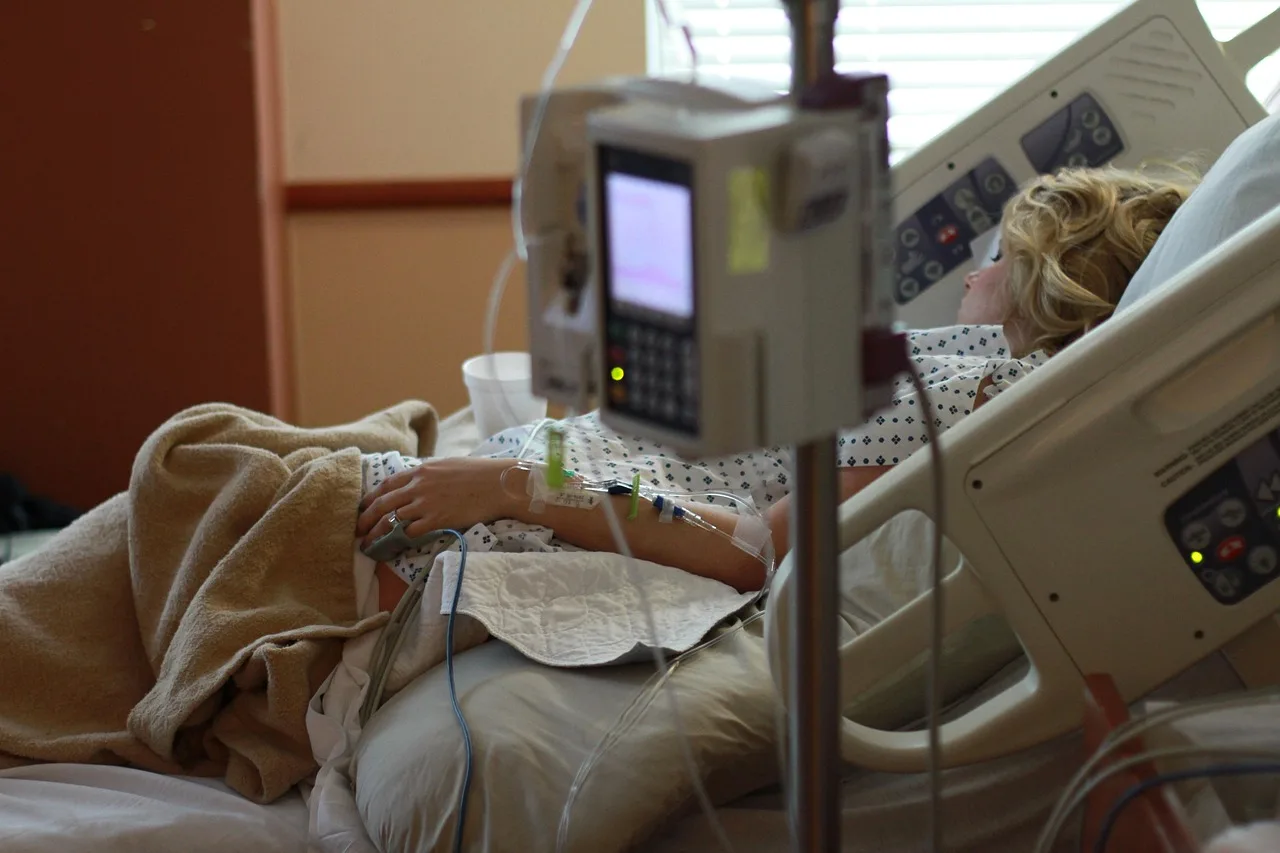
A typical day in a skilled nursing facility (SNF) during rehabilitation involves structured activities aimed at recovery and improvement. Residents usually start their day with breakfast, followed by morning therapy sessions. These sessions may include physical therapy, occupational therapy, or speech therapy, depending on individual needs Physical therapy. After therapy, there are regular nursing checks to monitor vital signs and overall health Skilled nursing facility care. Lunch is served mid-day, often followed by rest or additional therapy sessions. The afternoon may include more therapy, social activities, or personal time. Dinner is typically served in the evening, followed by a period of relaxation or light activities. Throughout the day, staff are available to assist with any needs and ensure a safe, supportive environment Your rights in a skilled nursing facility.

Essential Questions to Ask Before Transfer
Before transferring a loved one from the hospital to a skilled nursing facility (SNF), families should ask the hospital discharge planner several crucial questions to ensure a smooth transition.
What are the specific skilled nursing services covered by Medicare at this SNF?
How long will Medicare cover the stay, and what out-of-pocket costs should we expect?
What is the SNF's Medicare rating and how does it compare to others in the area?
What therapy services are available, and how frequently will they be provided?
How will the SNF communicate with our family about our loved one's progress and care plan?
What support will be provided for transitioning back home after the SNF stay?
Choosing the Right Facility: Using Medicare Care Compare
When selecting a skilled nursing facility (SNF), families should utilize Medicare Care Compare to evaluate potential options. This tool provides valuable insights into the quality ratings and patient outcomes of various SNFs, enabling informed decision-making. To effectively use Medicare Care Compare, families should focus on the overall quality rating, which is based on health inspections, staffing, and quality measures. Additionally, reviewing specific patient outcomes, such as the percentage of patients who improved in activities of daily living or experienced fewer hospitalizations, can provide further insight into the facility's performance. By considering these factors, families can make a well-informed choice for their loved one's care needs. Medicare Care Compare
Planning the Transition Home: Safety and Support
To ensure a safe and smooth transition home after a skilled nursing facility stay, families should take several proactive steps. Begin with a home safety assessment to identify and mitigate potential hazards, such as loose rugs, inadequate lighting, or slippery surfaces. This assessment can be conducted by a professional or a family member with a keen eye for detail. Next, arrange for home health services if needed. These services can include skilled nursing care, physical therapy, or assistance with daily activities, helping to bridge the gap between facility care and independent living. Finally, coordinate family schedules to ensure that someone is available to assist the returning loved one as needed. This might involve rearranging work schedules, enlisting the help of friends or neighbors, or exploring community resources. By taking these steps, families can create a supportive environment that promotes recovery and independence.

Ready to explore your options? Explore care options near you on Ubora Health — Ubora Health helps families find care at their own pace.


