

Understanding the Signs: When to Consider Memory Care
When considering specialized memory care for a loved one, it's important to recognize the key indicators that suggest this level of support may be necessary. These signs include increased wandering, which poses a safety risk Get Safety Tips, sundowning, where symptoms worsen in the evening, missed medications that can lead to health complications, and caregiver exhaustion, which affects the quality of care provided. These changes signal that the person with dementia may need a more structured and secure environment, along with professional support to ensure their safety and well-being.
Exploring Memory Care Settings: What to Expect
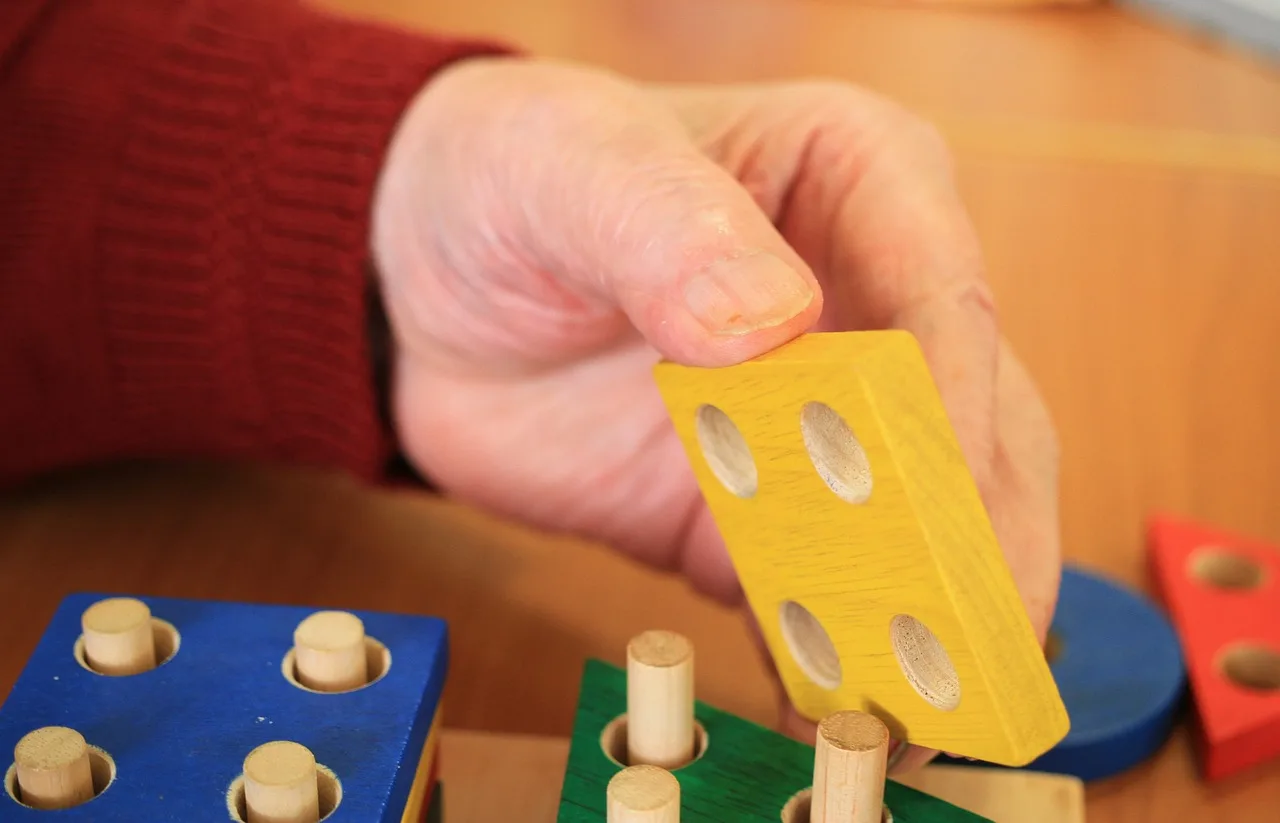
Memory care settings are designed to provide specialized support for individuals with Alzheimer's disease and other forms of dementia. These facilities typically feature secure designs to prevent wandering, structured routines to promote familiarity and reduce anxiety, and trained staff who understand the unique needs of residents with memory impairments. Secure designs often include locked entrances and exits, monitored outdoor spaces, and safety features within the living areas. Structured routines help residents maintain a sense of normalcy and predictability, which can be comforting as their memory declines. Trained staff are equipped with the knowledge and skills to manage the behavioral and psychological symptoms of dementia, ensuring a safe and supportive environment for all residents. Learn More

Alternatives to Memory Care: What to Consider First
Before considering memory care, families should explore alternatives that can provide support and maintain the person's independence. In-home dementia-capable help allows individuals to receive care in the comfort of their own homes, with trained professionals providing assistance with daily activities and ensuring safety. Adult day programs offer structured daytime activities and socialization opportunities, allowing caregivers to take a break while ensuring their loved one is in a safe and supportive environment. These alternatives can be considered alongside memory care, depending on the individual's needs and preferences. Learn About In-Home Care
Involving the Person with Dementia in the Decision
When considering memory care for a loved one with dementia, it's important to involve them in the decision-making process to the extent possible. This respects their dignity and preferences. Begin by discussing the reasons for considering memory care, focusing on safety and quality of life. Use simple, clear language and be patient, allowing time for them to process information. Encourage them to express their feelings and preferences. If they are able, involve them in tours of potential memory care facilities, allowing them to see the environment and meet staff. This can help them feel more comfortable with the idea. Remember, the goal is to make a decision that honors their wishes while ensuring their safety and well-being. Learn More
Initiate a gentle conversation about the need for additional support.
Use simple, clear language and allow time for processing.
Encourage expression of feelings and preferences.
If possible, involve them in facility tours.
Focus on safety, quality of life, and respecting their wishes.
Questions to Ask During Memory Care Tours
When touring memory care facilities, it's crucial to ask questions that focus on the personhood of residents and the qualifications of the staff. This ensures that the facility not only meets the medical needs of individuals with dementia but also respects their dignity and individuality.
How does the facility ensure that each resident's personal history, preferences, and routines are respected and incorporated into their care plan?
What training and qualifications do the staff have in dementia care, and how often do they receive ongoing education?
Can you describe a typical day for a resident here, including social activities and personal care routines?
How does the facility handle behavioral changes or challenging situations that may arise with residents?
What measures are in place to ensure that residents are engaged in meaningful activities that cater to their interests and abilities?
How are families involved in the care process, and what opportunities are there for family members to visit and participate in activities with their loved ones?
Emotional Support for Families Making This Decision
Deciding to transition a loved one to memory care can evoke a range of emotions, from relief to guilt and sadness. It's crucial for families to acknowledge and address these feelings. The Alzheimer's Association offers a wealth of resources tailored to different stages of Alzheimer's disease, providing guidance and support for caregivers and families. Additionally, joining support groups through the Alzheimer's Association can offer a sense of community and understanding, allowing families to share experiences and coping strategies. Remember, seeking emotional support is a sign of strength, not weakness, and can greatly aid in navigating this challenging decision.
Ready to explore your options? Explore care options near you on Ubora Health — Ubora Health helps families find care at their own pace.


